The Psychological Weight of Nothing
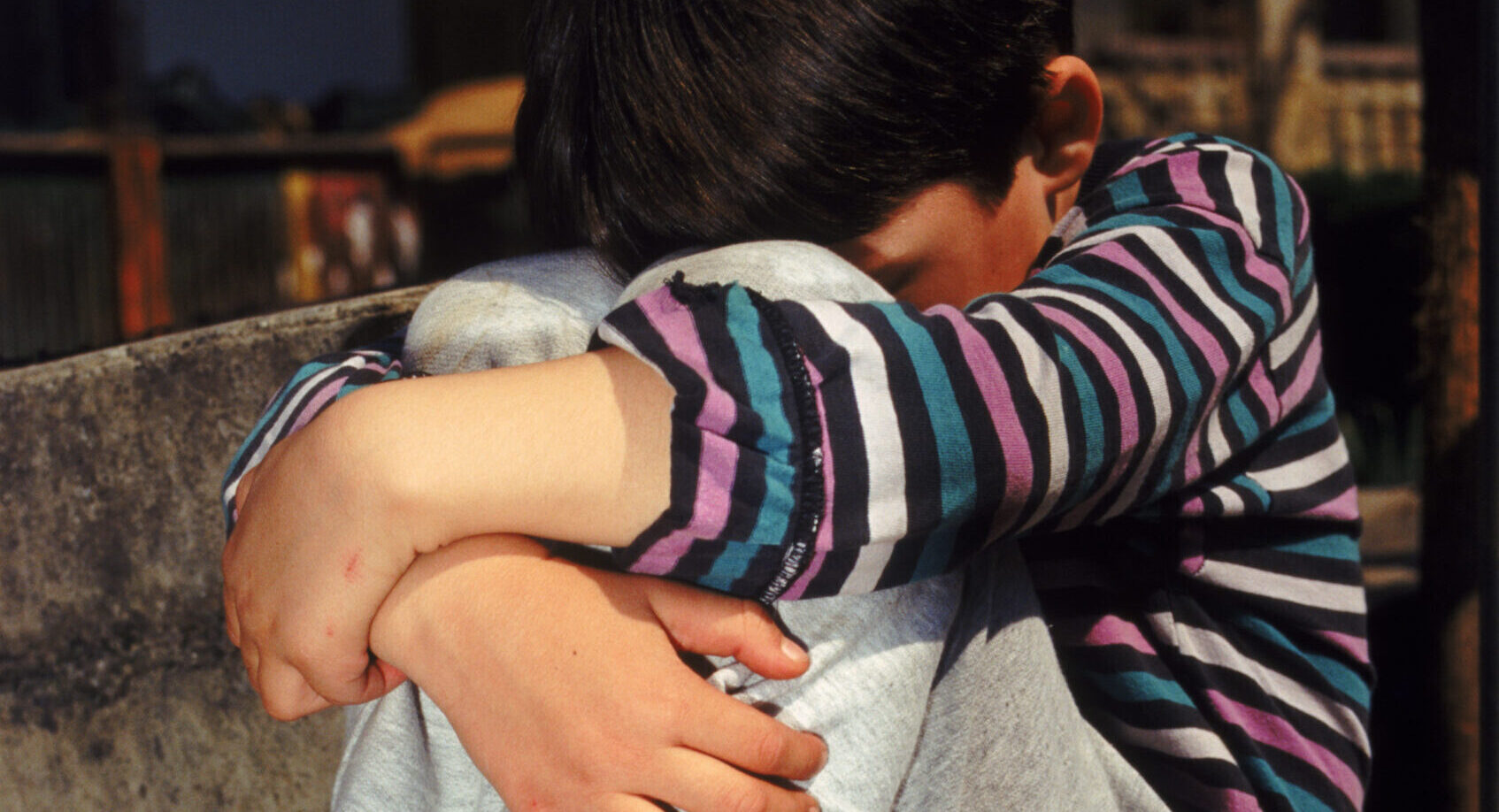
When a child loses everything, their home, caregivers, and sense of safety, the absence runs deeper than the physical… It’s psychological. In having nothing, they begin to feel like nothing.
At My Stuff Bags Foundation, we serve children who have been abused, neglected, abandoned or who are survivors of domestic violence. Many arrive at shelters or foster homes with nothing at all.
Why “Stuff” Matters
Research shows young children (ages 3–12) gain more happiness from possessions than from experiences. Unlike adults, they rely on tangible objects to anchor joy and belonging. As Dr. Lan Nguyen Chaplin of the University of Illinois Chicago explains, material items serve as “physical reminders” of comfort that children can return to again and again. A toy or blanket can be a child’s emotional anchor when memory or stability fail.
How Attachment and Loss Impact Self-Esteem
Attachment theory tells us a child’s identity grows through consistent, loving care. When those bonds break through neglect, abuse, or frequent moves, children struggle to form secure attachments. They may become anxious, avoidant, or disorganized, consequently leading them to seek safety yet fear loss.
Adverse Childhood Experiences (ACEs) such as violence, instability, and neglect only heighten this insecurity. More than half of children in child protective services report four or more ACEs before entering care. Each added trauma rewires a child’s stress response, making it harder to trust others and regulate emotions, and more likely that they’ll cling to possessions for comfort.
Studies from McGill University and the Journal of Individual Differences show that favorite belongings can act as psychological “secure bases,” offering control and courage when relationships and surroundings feel unpredictable.
When a child has no possessions, the trauma deepens. The message becomes: You don’t matter enough to own anything of your own.
From Nothing to Something
Each year, My Stuff Bags Foundation provides over 20,000 children in crisis nationwide with duffels of new childhood essentials. Every Bag is a symbolic restoration of dignity: proof that someone cared. At My Stuff Bags, we help transform the psychological weight of nothing into the healing comfort of something. To support our efforts, click here.
Sources
Chaplin, L.N., Lowrey, T.M., Ruvio, A.A., Shrum, L.J., & Vohs, K.D. (2020). Age differences in children’s happiness from material goods and experiences: The role of memory and theory of mind. International Journal of Research in Marketing, 37(3), 572–586.
CNBC Make It. (2020). Skip Disney, buy Mickey Mouse: Unlike adults, material things make kids happier than experiences.
UIC Today. (2020). Why experiences are better gifts for older children.
Russo, F. (2018). Why We Become So Attached to Our Belongings. Scientific American.
Keefer, L.A. (2016). Is there anybody out there? Trait anthropomorphism predicts the psychological benefits of a favorite belonging. Journal of Individual Differences, 37(4), 231–238.
Norris, I. (2012). Can’t buy me love?: Anxious attachment and materialistic values. Personality and Individual Differences.
One Family Illinois. (n.d.). Understanding and Navigating Attachment Issues for Children in Care.
AdvoKids. (2017). Adverse Childhood Experiences Among Children Placed in and Adopted from Foster Care.
Author: Sydney Shoemaker